
Throughout the findings of this year’s WRI, one theme emerges consistently: healthy relationships with work are built by giving people the confidence and the tools they need to adapt in the face of change and uncertainty.
Reliable technology remains the foundation. Knowledge Workers say faster, more reliable devices are the single biggest enabler of doing their best work (51%), followed by tools that help them learn and adapt (39%), seamless integration across workplace technologies (37%), shared knowledge systems (36%), and AI tools tailored to their role (35%).
Yet the findings also suggest many organizations are not providing the optimum setup for best work, as only 60% of Knowledge Workers agree they have the tools they need to be successful.
Thinking about the technology and tools you use at work, which would enable you to do your best work?
(Knowledge Workers)

% Knowledge Workers Agree
“Poor integration between devices, tools, and systems creates unnecessary friction in my work”
“I have access to a complete set of devices and accessories that work seamlessly together”
“My company gives me the tools I need to be successful at work”


Technology and skills are key enablers of doing your best work.
Confidence at work is built on the basics: the right devices, tools, and support working together without friction. Organisations that provide this foundation, and pair it with opportunities to build skills, enable people to do their best work even in times of change.
The WRI provides a blueprint for how businesses can take action.
The story of work in 2026 is one of organizations learning to thrive in an environment where uncertainty has become a permanent feature of working life.
The healthiest workplaces are not necessarily those operating in the least disruptive environments. Rather, they’re the ones that equip people with the confidence, skills, technology, and support they need to adapt successfully and thrive amid that disruption. As uncertainty becomes an enduring reality, workers increasingly value employers that help them grow, build resilience, and navigate change with confidence.
For leaders looking to build healthier, more resilient, and growing organisations, this year's findings point toward five priorities:

1. Prioritize adaptability, not stability

2. Use AI to strengthen the workforce

3. Lead with trust and transparency

4. Invest in future-ready skills
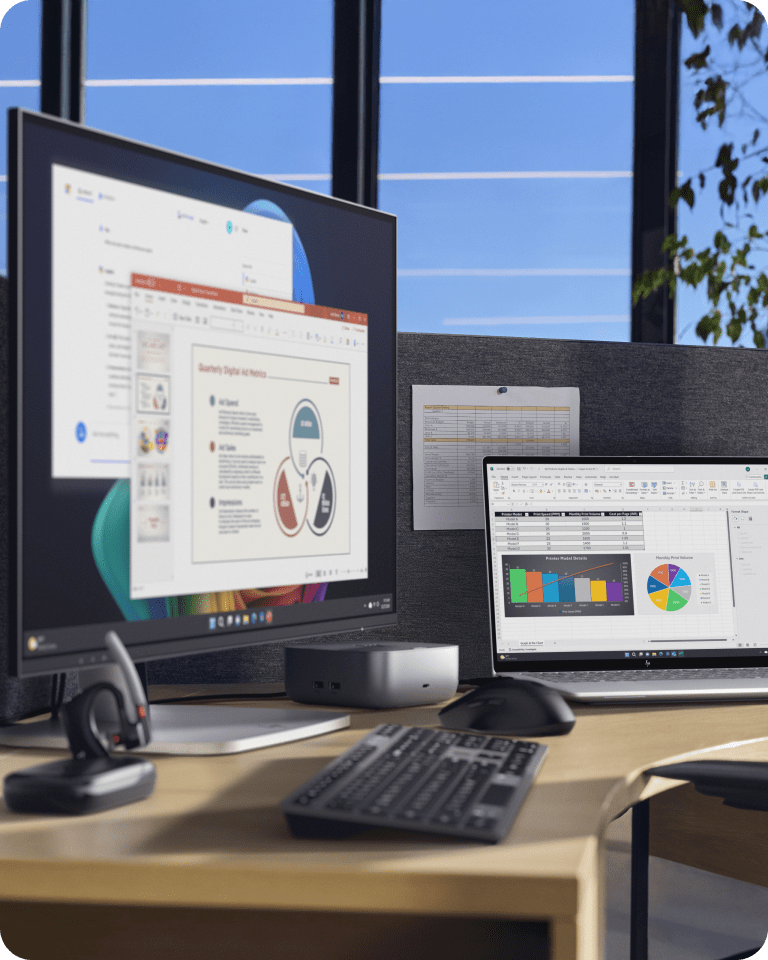
5. Provide proactive technology and tools

The path forward is to build workforces that can thrive amid continual disruption.
In 2026, the resilience dividend will come from turning uncertainty into a manageable condition of work through trusted leadership, purposeful Al adoption, future-ready skills, and proactive technology support.
WRI 2026 methodology
Now in its fourth consecutive year, the Work Relationship Index is a global study, led by HP, on the world’s relationship with work.
In partnership with the National Research Group, HP conducted a survey of 19,506 desk-based workers across 15 countries from 7 April – 13 May 2026. The countries included were US, Canada, Mexico, Brazil, UK, France, Germany, Spain, Italy, Saudi Arabia, India, Australia, Japan, Indonesia, and China.
Respondents had to complete a 25-minute online survey about their relationship with work. The three audience groups were as follows:
• Knowledge Workers (n=15,003 | ~1,000/country)
• IT Decision Makers (n=3,002 | ~200/country)
• Business Leaders (n=1,501 | ~100/country)
% agree on charts is based on the percentage of respondents that scored 4 or 5 on our 5-point scale (e.g. strongly agree and agree). This scoring was used in all measurements except the WRI score, which uses only the top box (strongly agree).