Thank you for visiting the NEW ZEALAND HP Store
-
Contact Us
CONTACT USCall us
- Sales
- 0800 854 848
- Technical support
- +64 9884 8600
Mon-Fri 9.00am - 6.00pm
(exc. Public Holidays)
Chat with us- Our specialist are here to help
- Live chat
Mon-Fri 9.00am - 6.00pm
(exc. Public Holidays)
Submit feedback We value your opinion! - My Account

Search
Small Business Guide: Implementing AI-Powered Customer Service Hardware for New Zealand Businesses

Posted:
February 12, 2025

AI customer service technology is now omnipresent across New Zealand. From biometric sleep-tracking smartwatches to coffee machines that anticipate your morning flat white preference, artificial intelligence is seamlessly integrating into Kiwi daily life. For small businesses throughout New Zealand, AI adoption is growing rapidly—as of 2024, 35% of businesses use AI, with e-commerce leading the charge at a 51% adoption rate. AI-driven solutions are essential applications that enhance decision-making, improve credibility, and optimise customer experience technology operations.
Contents
- Enhancing Organisational Growth with Business Automation
- What is AI Customer Service Hardware?
- Costs & Benefits of AI Customer Service Hardware
- Setting Up an AI Customer Service System
- Balancing AI with Human Interaction
- Leveraging CX Technology for Superior Customer Experiences
- AI in Action: Retail Innovation
- Future-Proofing AI Investments for New Zealand Businesses
- Conclusion
Enhancing Organisational Growth with Business Automation
In the world of New Zealand small business, automation drives business process efficiency. By leveraging AI technology to streamline processes, companies can not only boost efficiency but also channel efforts towards strategic growth endeavours. Automation addresses multiple needs, from slashing operational costs to improving data accuracy, resulting in heightened productivity. By integrating smart business solutions, enterprises can navigate complex tasks seamlessly, enhancing the customer experience with consistent and timely service. Automation thus transforms workflow, offering a competitive edge through precision and innovation.
What is AI Customer Service Hardware?
AI hardware solutions span across CX technology, revolutionising customer journeys. AI in customer service is not new—chatbots and virtual assistants have been assisting customers for years. However, AI-powered hardware takes automation further by integrating machine learning into physical devices such as smart kiosks and AI chips, enhancing customer experience. These technologies work behind the scenes to personalise customer interactions and streamline business operations. These AI agents provide the architecture needed for seamless integration, offering smart solutions for dynamic support.
Smart Kiosks
Interactive kiosks revolutionise customer support by utilising CX technology like facial recognition and natural language processing to understand customer conversations. These terminals can provide personalised recommendations, process transactions, and serve as digital sales assistants. Augmented reality (AR) and holographic kiosks further enhance customer engagement, offering immersive experiences that capture valuable data on customer preferences.
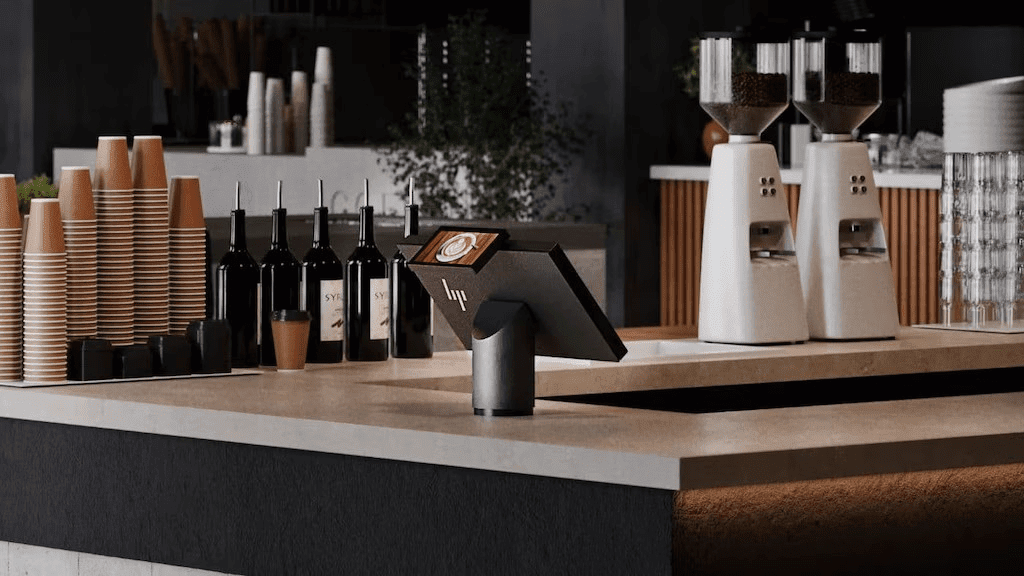
AI Cameras & Smart Mirrors
AI chips enable deep learning processes, enhancing the precision of customer feedback analysis. AI-powered cameras and sensors analyse customer behaviour, tracking eye movement and facial expressions to gauge satisfaction. Global retailers with New Zealand presence have implemented smart mirrors in fitting rooms that recognise clothing items and suggest alternatives in different colours or sizes, enhancing the shopping experience while gathering actionable insights.
“We emphasise the importance of superior customer experience through customer experience management. That is why we continue to challenge ourselves and explore new ideas.”
AI Headsets
With CX technology integration, conversations become more personalised, delivering an enhanced customer experience. AI-powered headsets improve communication by filtering background noise, optimising battery performance, offering real-time translation, and aiding in customer support. These headsets are particularly useful in call centres and global businesses where multilingual support is essential. AI agents and AI hardware empower support teams to manage inquiries more effectively.

Costs & Benefits of AI Customer Service Hardware
Upfront Costs
Investing in AI-powered hardware requires an initial capital outlay for equipment, software licensing, system integration, and staff training. Costs vary by industry; for example, self-service kiosks in cafés and restaurants range from $150 to over $4,500 NZD per unit, while large-scale trade show kiosks can exceed $45,000 NZD.
Return on Investment (ROI)
The primary benefits of AI hardware include increased efficiency, reduced operational costs, enhanced analytics, and improved customer experience. AI systems handle large volumes of inquiries simultaneously, reducing the need for human agents by up to 50% in some industries. With 24/7 availability and no overtime or benefits required, AI significantly cuts labour costs while improving customer satisfaction and loyalty. AI chips drive processing units that radically accelerate business processes, ensuring faster query resolutions and optimised customer experience. AI advancements in this domain consistently improve productivity, reshaping customer relationship management for New Zealand businesses.
Setting Up an AI Customer Service System
1. Choose the Right Hardware
Invest in high-performance computing hardware to power AI-driven applications:
-
Servers: HP Elite Small Form Factor 600 G9 desktop PC or equivalent high-performing units designed to integrate with AI workloads
-
AI-ready GPUs: For machine learning tasks, accelerating CX technology
-
Storage: High-capacity SSDs for data processing
-
Peripheral Devices: Headsets, touchscreen kiosks, and monitors that support customer service AI applications
This powerful desktop offers New Zealand businesses the reliable performance needed to run AI applications and process customer data efficiently while maintaining a small footprint in your office space.
2. Optimise Network Infrastructure
Ensure seamless data exchange with:
-
High-speed routers and network switches
-
Dedicated bandwidth for AI-powered applications
3. Install AI Software
Select AI-driven customer service platforms such as IBM Watson or Google Cloud AI agents. Ensure compatibility with existing systems and prioritise cybersecurity features like threat detection and endpoint protection.
4. Data Integration
Connect AI systems to essential business platforms: Employ business process automation to optimise workflows, linking AI applications to diverse customer support channels.
-
CRM Software: Synchronise customer interactions for personalised service
-
Knowledge Base: Provide AI with relevant information
-
Communication Channels: Integrate with customer service phone lines and chat applications
5. AI Training & Testing
Before deployment, train AI models using historical customer data and simulated interactions. Conduct pilot tests with employees and small customer groups to refine accuracy and responsiveness.
6. Deployment & Monitoring
Roll out AI solutions in select locations or customer touchpoints. Continuously monitor performance using key metrics like response times, issue resolution rates, and customer satisfaction scores.
Balancing AI with Human Interaction
While AI enhances automation, New Zealand businesses must retain the human touch that Kiwi customers value. AI should complement rather than replace human agents, enhancing customer experience technology by handling routine inquiries while employees address complex customer issues. Staff training programmes should emphasise AI collaboration, demonstrating how AI-generated insights can enhance human decision-making. AI solutions automatically handle numerous tasks, including conversation management and customer service inquiries.
Leveraging CX Technology for Superior Customer Experiences
In today’s business arena, technology drives superior customer interactions. AI tools, including chatbots and virtual AI agents, empower organisations to deliver tailor-made services that meet individual client needs. These AI-driven solutions not only enhance engagement but also provide in-depth insights into consumer preferences, paving the way for more focused marketing tactics. Advanced customer experience technology strengthens the bond between brands and consumers by adapting services to meet changing behaviours, providing unparalleled support and securing greater customer satisfaction and loyalty.
AI in Action: Retail Innovation
AI in retail connects hardware capabilities with customer service. Harnessing AI chips and processors, these customer service platforms provide GPU-accelerated solutions for managing tasks. Since 2016, AI-powered retail assistants have helped customers navigate store aisles, locate products, and manage inventory in real time. According to retail technology experts:
“AI agents streamline efforts to make shopping an effective experience, allowing employees to provide exceptional customer service.” Automating data collection allows employees to focus on personalised customer service."
This approach to retail is gaining traction in New Zealand shopping centres, where AI technologies help bridge the gap between online and in-store experiences.
Future-Proofing AI Investments for New Zealand Businesses
Driving Operational Success with Smart Business Solutions
By combining advanced AI applications and digital computing technologies, smart business solutions revolutionise the way New Zealand organisations manage their processes. AI-powered hardware such as AI chips and processors streamline complex computing tasks, ensuring swift and precise data handling. This strategic embrace of technology elevates decision-making capabilities by offering real-time insights into operations. Ultimately, smart business strategies not only cut costs and boost productivity but also significantly enhance the overall customer experience in the competitive New Zealand market.
1. Scalability & Upgradability
Invest in adaptable AI solutions that can scale with business growth. Choose vendors offering modular upgrades and software enhancements to maintain long-term relevance.
2. Stay Informed on AI Trends
Appoint an “AI Watchdog” to track industry developments and schedule regular strategy meetings to discuss potential impacts on business operations. Stay connected with New Zealand technology innovation hubs and universities that are developing AI solutions for local business challenges.
3. Align AI with Business Objectives
Develop a long-term AI strategy that aligns with organisational goals. By continuously optimising AI investments, businesses can maximise ROI and stay ahead of technological advancements, particularly important in New Zealand’s dynamic small business environment.
Conclusion
AI-powered customer service hardware is revolutionising small businesses throughout New Zealand, enhancing efficiency, and improving customer satisfaction. By integrating smart kiosks, AI cameras, and intelligent headsets like the Poly Voyager Focus 2, companies can streamline operations while maintaining the personal touch that Kiwi customers appreciate. With strategic implementation and future-proofing, AI becomes not just a tool but a powerful ally in business growth for New Zealand entrepreneurs navigating the digital transformation landscape.
Recent Posts


Popular Posts


Products purchased through this store are sold and fulfilled by Ingram Micro (NZ) LTD

CONTACT US
Call us
- Sales
- 0800 854 848
- Technical support
- +64 9884 8600
Mon-Fri 9.00am - 6.00pm
(exc. Public Holidays)
Chat with us
- Our specialist are here to help
- Live chat
Mon-Fri 9.00am - 6.00pm
(exc. Public Holidays)
Submit feedback
We value your opinion!