Thank you for visiting the NEW ZEALAND HP Store
-
Contact Us
CONTACT USCall us
- Sales
- 0800 854 848
- Technical support
- +64 9884 8600
Mon-Fri 9.00am - 6.00pm
(exc. Public Holidays)
Chat with us- Our specialist are here to help
- Live chat
Mon-Fri 9.00am - 6.00pm
(exc. Public Holidays)
Submit feedback We value your opinion! - My Account

Search
hp omen

-
Posted: November 08, 2025
 Read more »
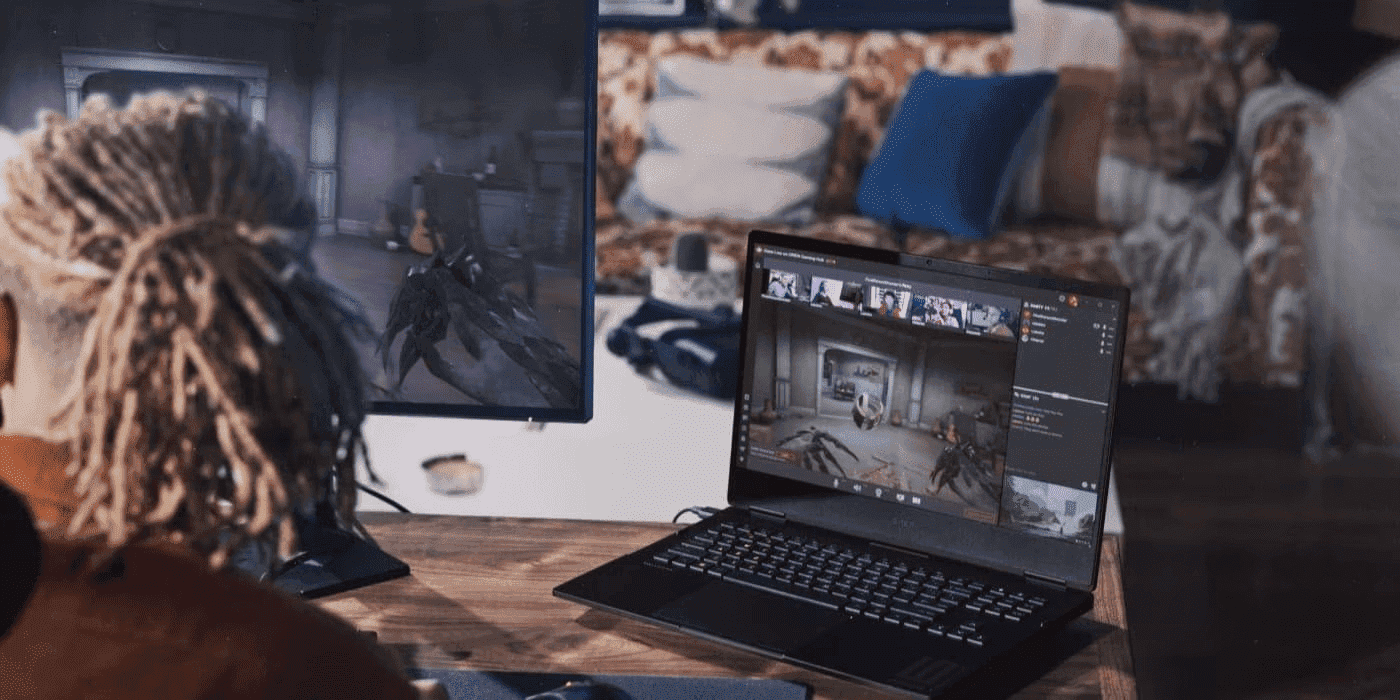
If you’ve purchased an HP OMEN laptop, you’re ready to try out the latest games. But before you embark on your gaming adventures here in New Zealand, why not optimise your system and take advantage of OMEN Gaming Hub features for a seamless experience? With an optimised system:
- You won’t experience stuttering even at high resolutions
- You can switch to higher texture quality for a much more visually impressive experience
- You can max out graphics settings and boost visual quality without losing FPS
- You can enjoy smooth gameplay by matching the FPS to your monitor’s refresh rate
-
 Read more »
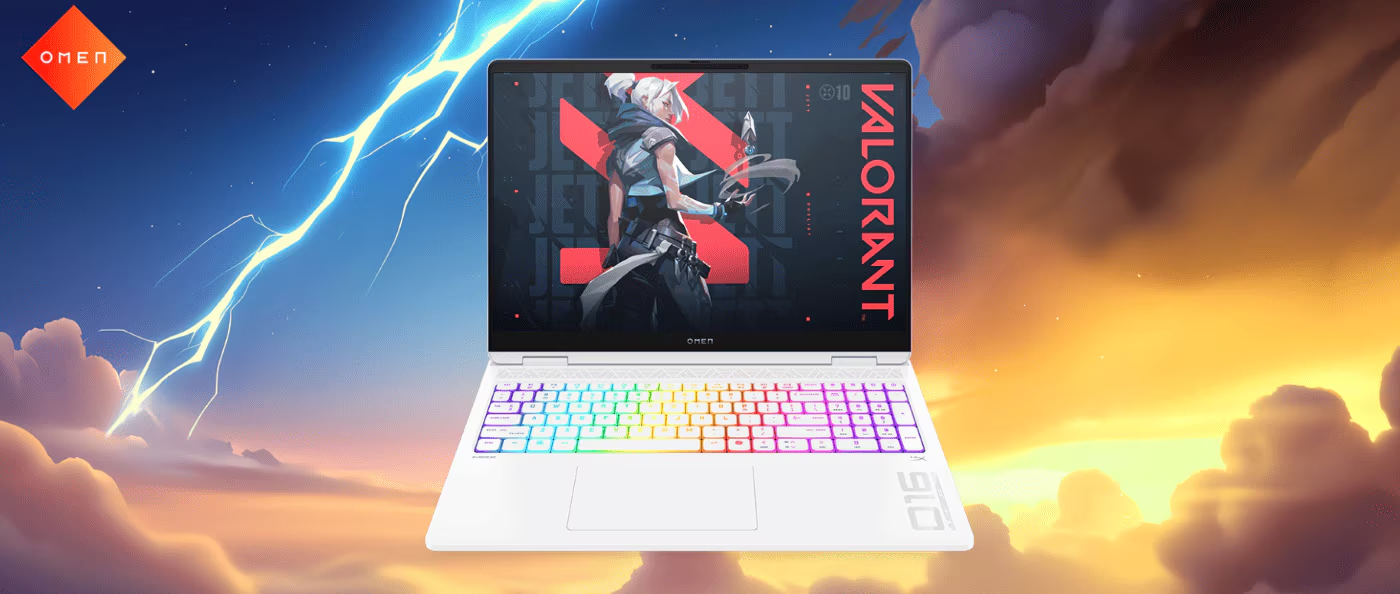
As the creative industry continues to expand across New Zealand, from Auckland’s thriving film studios to Wellington’s renowned digital effects houses, content creators are constantly pushing their machines to the absolute limit. Whether you’re rendering high-resolution videos for local productions or designing complex 3D models for architectural visualisation, having robust memory architecture to support your creativity is essential. But what exactly is memory architecture?
-
Posted: June 27, 2023Categories: Laptops
 Read more »
When you’re choosing a laptop to accompany your engineering education, you need to consider specifications that go beyond what you’d need if you were using it for entertainment or lighter uses. Engineering often requires PCs to have some extra computing power and the ability to quickly jump from one program to another.
-
Posted: June 26, 2023Categories: Laptops
 Read more »
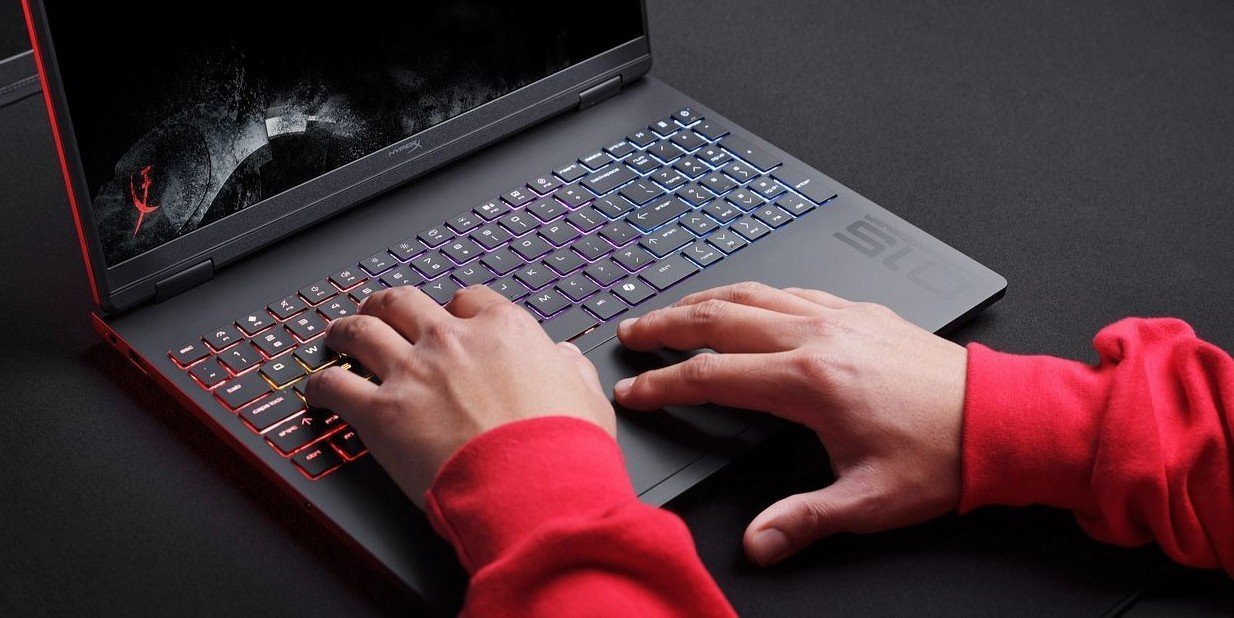
The HP OMEN 16 gaming laptop features a 16.1-inch diagonal display and many of the same processing, graphics, and memory components as its desktop PC counterparts. Other notable features include an advanced cooling system, finely tuned speakers, and a full keyboard, all of which were designed to meet the unique needs of professional and hobbyist gamers alike.
-
Posted: May 10, 2023Categories: Laptops
 Read more »
While the push for portability has improved most of our lives, a compact notebook won’t always cover all of your computing needs. For gamers, artists, devoted streamers, or anyone who favors their visual experience, a 17-inch laptop is a good standard for comfortable viewing. It’s still portable enough to travel well, but also big enough to bring life to the latest PC games, design software, and new movies.
-
Posted: April 30, 2023Categories: Laptops
 Read more »
The technology used in computer monitors has changed dramatically over the last decade. It’s now possible to find laptops and displays that feature incredibly dynamic screens, and you don’t have to pay an exorbitant amount for them. Also, we’re all spending more and more time on our devices, so it makes sense that we want our displays to help make our experience better.
This is why many consumers are choosing to purchase OLED (organic light-emitting diode) technology. While LCD screens were the norm for many years, the tech has improved enough that screens can now make their own light, allowing for better graphics and crisper images.What is an OLED laptop?
An OLED laptop is a device that relies on organic material (carbon and hydrogen) in order to create light. The tech uses positive and negative layers in order to create a current. There is an emissive layer that absorbs electrons, while the conductive layer creates holes. This leads to particles of light, or photons, that work with colored
-
 Read more »Beyond their improved power and speed, newer iterations of laptops also tend to be much smaller than their older counterparts. In many cases, you can even find models that are less than an inch thick.
 -
 Read more »Picking the best laptop for data science is a crucial choice for your future. This list of the 10 best HP laptops for data science and data analysis has the right picks for students, entry-level applicants, and seasoned data-busting pros.
 -
 Read more »Finding the best laptop for Photoshop is vital for photographers, graphic designers, and web developers because of their distinct computing needs. The wrong choice can cause a lot of teeth-grinding as your computer slogs through laggy latency issues.
 -
Posted: January 27, 2022Categories: Laptops
 Read more »If you want to create quality video content, you already know that you require a different level of power from your laptop than the average user. With the variety that HP® offers, you’re likely to find a device that can create videos that you are proud to share with the world.
Recent Posts


Popular Posts




Products purchased through this store are sold and fulfilled by Ingram Micro (NZ) LTD

CONTACT US
Call us
- Sales
- 0800 854 848
- Technical support
- +64 9884 8600
Mon-Fri 9.00am - 6.00pm
(exc. Public Holidays)
Chat with us
- Our specialist are here to help
- Live chat
Mon-Fri 9.00am - 6.00pm
(exc. Public Holidays)
Submit feedback
We value your opinion!